You can know every new products be published here, and witness our growth and innovation.
Date:05-28-2026
Product Introduction
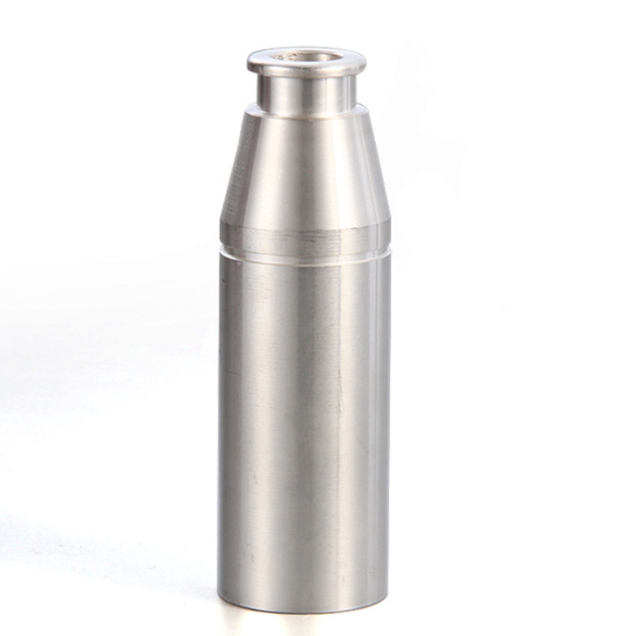
The vacuum circuit breaker contact arm is the core conductive and operating component of a vacuum circuit breaker. It is primarily used for carrying current, transmitting operating force, and cooperating with the vacuum interrupter to complete the making and breaking of electrical circuits.
Key features:
· Excellent electrical conductivity: Typically uses copper or copper alloys as conductive materials to ensure low loss and low heat generation under high current conditions.
· Insulation and protection: Externally coated with epoxy resin or other insulating materials to provide reliable inter-phase and ground insulation, while being resistant to mechanical stress and environmental influences.
· Strong adaptability: Designed for different models (such as VS1-24 series), capable of matching different rated current levels such as 2000A and 3150A.
· Arc suppression assistance: Combined with vacuum interrupters, significantly reduces arc generation, improves arc extinguishing performance, and extends equipment lifespan.
Application Scenarios
Electric Power Distribution Systems: In medium/low-voltage switchgear in substations and distribution rooms, used for protecting and controlling circuits.
Industrial Production: In motor control and power supply for heavy-duty equipment in factory workshops, applicable to industries such as metallurgy, chemical processing, and machinery manufacturing.
Infrastructure: In distribution systems for rail transit, data centers, and large commercial buildings, ensuring continuous power supply.
Special Operating Conditions: In power equipment for high-altitude, humid, dusty, or corrosive environments; contact arms with corresponding protection ratings must be selected.
Usage, Installation, and Maintenance
I. Pre-Installation Inspection
Verify that the contact arm model and rated current match the circuit breaker body, and ensure there are no cracks, deformations, or insulation damage.
Check that the conductive contact surfaces are clean, free of oxidation and oil contamination; use fine sandpaper or a dedicated cleaning agent if necessary.
II. Installation Steps
1. Securely connect the contact arm to the moving end of the vacuum interrupter and the operating mechanism, ensuring that bolt torque meets technical specifications to prevent poor contact.
2. Adjust the position of the contact arm to ensure coaxiality with the stationary contact and proper opening distance, avoiding sticking or uneven contact pressure.
3. After installation, perform manual opening and closing tests to verify smooth operation and absence of abnormal noise.
III. Operation and Maintenance
1. Regular Inspection: Check the temperature of contact arms, look for tracking marks on insulating surfaces, and ensure fasteners are not loose.
2. Cleaning and Maintenance: Periodically remove surface dust and oil contamination to maintain insulation performance.
3. Performance Testing: Regularly measure contact resistance; if it exceeds the standard range, grind or replace the contact arm promptly.
4. Replacement Cycle: Based on operating conditions and wear, a comprehensive inspection is generally recommended every 3–5 years, with replacement as necessary.
Safety Precautions
1. Installation and maintenance must be performed by qualified electricians, strictly following safety procedures such as power disconnection, voltage testing, and grounding.
2. Avoid live operations in damp, flammable, or explosive environments to prevent electric shock or fire hazards.
3. When replacing contact arms, use original or certified parts to ensure compatibility and reliability.


Address:No.27, Binhai South 3 road, Yueqing Economic Development Zone, Wenzhou City,Zhejiang Province,China.