You can know every new products be published here, and witness our growth and innovation.
Date:03-12-2026
Q1: What are the precautions for operation and maintenance of the valve?
A1: Precautions for operation:
1. Inspection before connection: Before operation, check if the protective caps on the valve interfaces are intact, and confirm that the interfaces and sealing surfaces are undamaged and free of foreign objects.
2. Correct connection: Use appropriate tools (such as a torque wrench) to tighten the connections with the transformer valve seat and external equipment pipelines according to the recommended torque, ensuring reliable end face sealing and avoiding over-tightening or under-tightening.
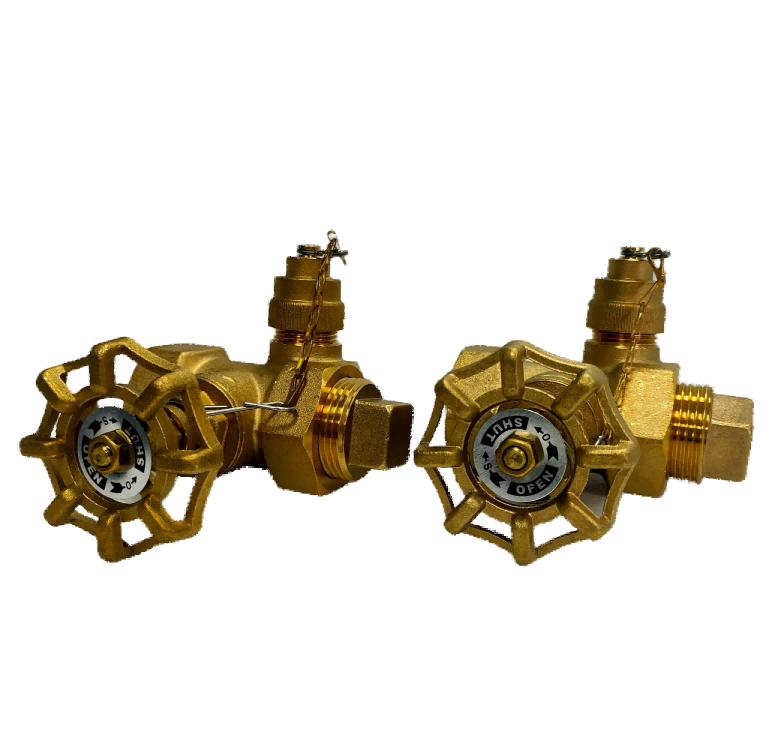
3. Smooth opening and closing: When opening or closing the valve, turn the handwheel smoothly. Do not use tools such as extension bars for forceful operation to prevent damage to the valve stem or sealing surface. After fully opening, it is recommended to turn the handwheel slightly to protect the threads.
4. Status confirmation: After operation, clearly confirm the valve’s status as “fully open” or “fully closed” by the handwheel position or indicator marks. Some models are equipped with locking devices, which should be locked in important positions.
Precautions for maintenance:
Regular inspection: Before each transformer maintenance or oil treatment, visually inspect the valve’s exterior for any signs of leakage, damage, or rust.
Function test: When conditions permit, a simple sealing test can be conducted in conjunction with equipment connection (such as observing the stability of vacuum after connection and vacuuming).
Seal replacement: If the sealing performance deteriorates after long-term use (such as slight oil leakage at the valve stem), professional personnel should replace the sealing packing or O-rings using the original spare parts package. Non-professionals should not disassemble the core parts of the valve by themselves.
Q2: How to select the appropriate oil drain valve for transformers and oil filling equipment of different specifications?
A2: The selection should take into account the following key matching parameters:
1. Diameter and connection method: Determine the valve port size based on the reserved valve seat interface size of the transformer oil tank (such as DN25, DN40, DN50, etc.) and the connection form (such as flange standard PN16/DN40, British NPT thread, etc.) to ensure physical connection.
2. Pressure and vacuum level: Confirm that the design pressure and vacuum degree of the valve meet or exceed the maximum working positive pressure and the highest working vacuum degree required by the oil filling equipment (such as vacuum pump, oil pump) and the transformer processing technology.
3. Insulating oil compatibility: Confirm that all sealing materials and materials in contact with oil of the valve are completely compatible with the type of insulating oil you use (such as mineral oil, silicone oil, synthetic ester).
Operating environment: Consider whether it is a conventional indoor/outdoor environment or has special requirements (such as high cold, high temperature, salt spray, etc.) to determine whether special shell materials or surface treatments are needed.
Q3: How to verify and ensure the quality and reliability of valves?
A3: We guarantee the quality of each valve through strict manufacturing and testing processes:
Air tightness test: When the valve is closed, dry and clean gas (such as air or nitrogen) is filled into the valve cavity at a certain pressure. The pressure is maintained to check for any leakage, verifying its sealing performance under positive pressure.
Vacuum sealing test: One end of the valve is sealed, and the other end is connected to a vacuum pump. It is evacuated to a specified high vacuum level (such as below 10 Pa), and the vacuum level drop rate is checked within a specified time to verify its sealing performance under high vacuum.
Type test: Regular sampling is conducted for more comprehensive life tests (such as opening and closing cycle tests), high and low temperature cycle tests, and compatibility tests with insulating oil, etc., to verify the long-term reliability of the design.


Address:No.27, Binhai South 3 road, Yueqing Economic Development Zone, Wenzhou City,Zhejiang Province,China.